
Tag: self improvement

  • How to Stay Consistent When Life Gets Busy

    How to Stay Consistent When Life Gets Busy

    Life has a way of becoming unpredictable. One week you feel motivated, organised, and focused. The next week, work becomes stressful, responsibilities increase, family needs your attention, and your personal goals slowly disappear.

    Many people believe that successful people stay consistent because they have more time, fewer problems, or better circumstances. The reality is different. The ability to stay consistent when life gets busy is one of the biggest skills you can develop.

    Consistency is not about having a perfect schedule. It is about learning how to continue moving forward even when life becomes difficult.

    The biggest mistake people make is waiting for the perfect moment. They tell themselves they will restart their fitness journey when work slows down, they will read more books when they have more free time, or they will work on their goals when life becomes easier.

    But life rarely becomes easier. You have to learn how to build discipline inside your current situation.

    Understand That Busy Seasons Are Normal

    Everyone experiences busy seasons. Some periods of life require more energy and attention than others.

    You might have:

    • More responsibilities at work
    • Family commitments
    • Unexpected challenges
    • Less free time
    • More stress

    The goal is not to eliminate these challenges. The goal is to create habits that survive them.

    People who stay consistent understand that their routine may change, but their identity does not.

    A person who values health does not stop caring about health because they are busy. They adjust. Maybe they cannot do a one-hour workout, but they can walk for 20 minutes. Maybe they cannot prepare the perfect meal, but they can make better choices.

    Small actions keep the momentum alive.

    Stop Depending Only on Motivation

    Motivation is useful, but it is unreliable.

    There will be days when you feel inspired and ready to take action. There will also be days when you feel tired, stressed, and distracted.

    If your success depends only on motivation, consistency becomes impossible.

    Discipline is what keeps you moving when motivation disappears.

    Create systems that make good habits easier:

    • Prepare your clothes before exercising
    • Schedule important tasks
    • Plan your week ahead
    • Remove distractions
    • Create simple routines

    Successful people do not always have more motivation. They have better systems.

    Create Minimum Standards

    One of the best ways to stay consistent when life gets busy is by creating minimum standards.

    A minimum standard is the smallest action you promise yourself you will complete.

    For example:

    Instead of saying:
    “I must train for one hour every day.”

    Say:
    “I will move my body for at least 10 minutes.”

    Instead of:
    “I must read one book every month.”

    Say:
    “I will read at least 5 pages daily.”

    Instead of:
    “I must work on my business for three hours.”

    Say:
    “I will spend 20 focused minutes improving it.”

    Small actions might seem insignificant, but they protect your identity.

    When you keep small promises to yourself, you build confidence.

    Focus On Your Most Important Habits

    When life becomes busy, trying to maintain too many habits can overwhelm you.

    You don’t need a complicated routine. You need the right priorities.

    Choose the habits that have the biggest impact:

    1. Exercise
    2. Healthy eating
    3. Learning
    4. Planning
    5. Quality time with family

    During difficult periods, protect your foundation.

    You don’t need to become perfect. You need to avoid completely stopping.

    The biggest danger is not slowing down. The biggest danger is quitting.

    Learn The Power of Momentum

    Consistency creates momentum.

    When you take action every day, you create evidence that you are becoming the person you want to be.

    One workout becomes a fitness habit.

    One productive day becomes a productive week.

    One week becomes a lifestyle.

    Many people underestimate the power of small consistent actions.

    A small improvement repeated over time creates a massive transformation.

    Don’t Let One Bad Day Become a Bad Month

    Everyone fails sometimes.

    You might miss workouts.
    You might lose focus.
    You might break your routine.

    The mistake is allowing one bad day to become a pattern.

    Many people think:

    “I already failed, so I will start again next week.”

    This creates a cycle of starting and stopping.

    Instead, develop the ability to restart quickly.

    A successful person is not someone who never struggles.

    A successful person is someone who returns to the path faster.

    Protect Your Time

    Staying consistent requires protecting your priorities.

    Many people say they do not have time, but they spend hours on things that do not improve their life.

    Look at your daily habits:

    • How much time goes to social media?
    • How much time is wasted on distractions?
    • What activities add no value?

    You don’t need more hours.

    You need more awareness.

    Your goals deserve time on your calendar.

    Become The Person Who Is Consistent

    The most powerful change happens when consistency becomes part of your identity.

    Instead of saying:

    “I am trying to exercise.”

    Say:

    “I am someone who takes care of my health.”

    Instead of:

    “I am trying to be disciplined.”

    Say:

    “I am a disciplined person.”

    Your actions follow your identity.

    When you see yourself as someone who follows through, consistency becomes easier.

    Final Thoughts

    Learning how to stay consistent when life gets busy is not about creating a perfect life. It is about creating strong habits that survive imperfect situations.

    Life will always have challenges. Responsibilities will always exist. Problems will always appear.

    But you can choose how you respond.

    Focus on small actions.
    Build systems.
    Keep your standards realistic.
    Restart quickly.

    Consistency is not about never falling behind.

    Consistency is about always finding your way back.

    For more videos about discipline, mindset, and personal growth, subscribe to my YouTube channel and continue your journey toward becoming a stronger version of yourself.
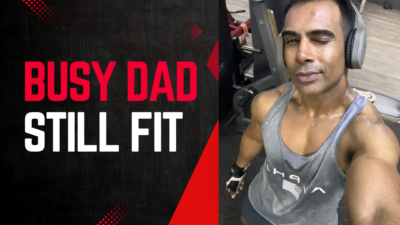

  • The 5 Habits That Keep Me Fit at 38 With a Family and Full-Time Responsibilities

    The 5 Habits That Keep Me Fit at 38 With a Family and Full-Time Responsibilities

    Many people believe that staying fit becomes nearly impossible once you reach your late thirties, get married, have children, and take on full-time work responsibilities. I used to think the same thing. Between family commitments, work obligations, household responsibilities, and the everyday challenges of adult life, finding time for fitness can seem overwhelming.

    Yet at 38 years old, with a family and full-time responsibilities,

    Here are the five habits that keep me fit at 38 with a family and full-time responsibilities.

    1. I Schedule My Workouts

    One of the biggest mistakes people make is waiting until they “feel motivated” to exercise. Motivation comes and goes, but scheduled activities happen regardless of how we feel.

    I treat my workouts like important appointments. They go directly into my calendar, and I plan my day around them. Some days I work out early in the morning before the family wakes up. Other days I train during a lunch break or after work.

    The important thing is consistency. A 30-minute workout completed regularly will always outperform a perfect workout that never happens.

    Scheduling exercise removes the need to decide each day whether or not you will train. The decision has already been made.

    2. I Focus on Strength Training

    As we age, maintaining muscle mass becomes increasingly important. Strength training is one of the most effective ways to stay healthy, strong, and lean.

    Many people think they need to spend hours in the gym every day. In reality, three or four quality strength-training sessions each week can produce excellent results.

    Strength training helps:

    • Build and preserve muscle
    • Increase metabolism
    • Improve posture
    • Reduce injury risk
    • Boost confidence

    At 38, I am more interested in long-term health than quick results. Strength training gives me the greatest return on my investment of time.

    3. I Keep Nutrition Simple

    Nutrition does not need to be complicated.

    Many people jump from one diet to another, searching for a perfect eating plan. Instead, I focus on a few simple principles:

    • Eat protein with every meal.
    • Consume plenty of fruits and vegetables.
    • Drink enough water.
    • Limit highly processed foods.
    • Avoid excessive sugar intake.

    I also follow the 80/20 rule. Eighty percent of the time, I eat nutritious foods that support my health goals. The remaining twenty percent allows room for family gatherings, celebrations, and occasional treats.

    This balanced approach makes healthy eating sustainable over the long term.

    4. I Stay Active Throughout the Day

    Fitness is not only about workouts. What you do during the other twenty-three hours of the day matters too.

    Many people exercise for an hour and then remain sedentary for the rest of the day. Instead, I look for opportunities to move whenever possible.

    I take walks, use stairs instead of elevators, park farther away from entrances, and spend active time with my children. Playing with kids can be surprisingly effective exercise.

    These small activities may seem insignificant individually, but together they contribute significantly to daily calorie expenditure and overall health.

    Remaining active throughout the day improves circulation, supports weight management, and boosts energy levels.

    5. I Prioritize Sleep

    Sleep is often overlooked, yet it may be the most important fitness habit of all.

    Without adequate sleep, everything becomes more difficult:

    • Workouts suffer.
    • Recovery slows down.
    • Hunger increases.
    • Motivation declines.
    • Stress levels rise.

    I aim for seven to eight hours of sleep whenever possible. While family responsibilities sometimes make perfect sleep impossible, I still make it a priority.

    Simple habits help:

    • Going to bed at a consistent time.
    • Reducing screen exposure before bed.
    • Keeping the bedroom cool and dark.
    • Avoiding excessive caffeine late in the day.

    Quality sleep allows my body and mind to recover, making it easier to stay disciplined in every area of life.

    Why These Habits Work

    The reason these habits work is because they are realistic.

    Many fitness plans fail because they require extreme effort, excessive time, or unrealistic restrictions. Busy adults need systems that fit into real life.

    At 38, with family and work responsibilities, I no longer chase perfection. Instead, I focus on consistency.

    A moderate workout completed regularly beats an intense workout done occasionally. A good nutrition plan followed for years beats a perfect diet followed for two weeks.

    Small actions repeated consistently create remarkable results.

    Final Thoughts

    The 5 habits that keep me fit at 38 with a family and full-time responsibilities are not complicated. They are simple, practical, and sustainable.

    I schedule my workouts, focus on strength training, keep nutrition simple, stay active throughout the day, and prioritize sleep.

    These habits help me maintain my fitness while balancing work, marriage, parenting, and everyday responsibilities.

    If you are struggling to stay fit while managing a busy life, start with one habit. Master it before moving on to the next. Over time, these small changes can completely transform your health, energy, and quality of life.

    For more content on discipline, mindset, fitness, and personal growth, subscribe to my YouTube channel and join me on the journey toward becoming the best version of yourself.

  • Why Most Men Lose Their Discipline After Marriage (And How to Get It Back)

    Why Most Men Lose Their Discipline After Marriage (And How to Get It Back)

    Why Most Men Lose Their Discipline After Marriage (And How to Get It Back)

    Marriage is one of the most rewarding experiences a man can have. It provides companionship, support, love, and the opportunity to build a family. Yet many men notice a surprising change after getting married. The habits, routines, and ambitions that once defined them begin to fade. The gym visits become less frequent, goals get pushed aside, and personal growth takes a backseat to daily responsibilities.

    If you’ve ever wondered why most men lose their discipline after marriage (and how to get it back), you’re not alone. This is a challenge faced by countless husbands and fathers around the world. The good news is that discipline is not permanently lost. It can be rebuilt stronger than ever.

    The Comfort Trap

    One of the biggest reasons men lose discipline after marriage is comfort.

    Before marriage, many men are highly motivated to improve themselves. They work on their fitness, careers, finances, and social skills. They have goals they are determined to achieve. There is often a strong desire to become the best version of oneself.

    After marriage, however, many men feel they have reached an important milestone. They have found a partner and built a stable relationship. Without realising it, they stop chasing growth and start chasing comfort.

    Comfort itself isn’t bad. The problem occurs when comfort becomes the primary goal. Growth requires effort, sacrifice, and discipline. Comfort encourages relaxation and routine. Over time, comfort can slowly replace ambition.

    Increased Responsibilities

    Marriage brings responsibilities that many single men never experience.

    There are bills to pay, household tasks to complete, family events to attend, and, for many couples, children to raise. These responsibilities consume time and energy. A man who once had several hours each day for personal development may suddenly find himself with very little free time.

    As a result, self-improvement activities are often the first things to be sacrificed. Exercise gets skipped. Reading books becomes less common. Personal projects are postponed indefinitely.

    The challenge is not the responsibilities themselves. The challenge is failing to adapt and create a new routine that fits a married life.

    Neglecting Personal Growth

    Many married men become excellent providers for their families. They work hard to ensure their spouse and children have what they need. While this is admirable, some men make the mistake of completely neglecting themselves.

    They stop investing in their health, learning, and personal development. Over time, this creates frustration, low energy, and a sense of being stuck.

    The truth is that taking care of yourself is not selfish. A healthier, stronger, and more disciplined man is often a better husband, father, and leader. Personal growth benefits everyone around you.

    The Rise of Easy Entertainment

    Modern technology has made distraction more accessible than ever.

    After a long day at work, it is easy to spend hours scrolling social media, watching videos, or binge-watching television shows. These activities provide instant gratification and require very little effort.

    Unfortunately, discipline and instant gratification rarely work together.

    Many men spend more time consuming content than creating results. Small amounts of entertainment can be healthy, but excessive consumption slowly steals time that could be invested in meaningful goals.

    Losing Your Purpose

    Another major reason why most men lose their discipline after marriage (and how to get it back) is tied directly to purpose.

    Many men are disciplined when they are working toward a clear objective. Once they achieve a major life goal such as marriage, they may struggle to identify what comes next.

    Without a mission, discipline becomes difficult to maintain.

    A man needs something meaningful to pursue. This could be building a business, improving his health, becoming financially independent, developing new skills, or creating a better future for his family.

    Purpose fuels discipline. Without purpose, motivation eventually fades.

    How to Get Your Discipline Back

    Now that we’ve explored why discipline often disappears, let’s focus on solutions.

    1. Rebuild Your Daily Routine

    Discipline thrives on structure.

    Create a simple daily routine that includes activities that move you closer to your goals. You don’t need a complicated schedule. Start with a few non-negotiable habits such as:

    • Waking up at the same time every day
    • Exercising for at least 30 minutes
    • Reading for 15-20 minutes
    • Planning your day in advance

    Small actions performed consistently create powerful results over time.

    2. Prioritise Your Health

    Your physical health directly affects your mental discipline.

    When you exercise regularly, you improve your energy levels, confidence, and ability to handle stress. You don’t need to spend hours in the gym. Even a daily walk or short workout can make a significant difference.

    Remember, your family benefits when you are healthy and strong.

    3. Set New Goals

    One reason men lose discipline is that they stop setting challenging goals.

    Take time to define a meaningful target for the next 90 days. Focus on one major objective. This could be losing weight, starting a side business, saving money, or learning a valuable skill.

    Having a clear goal gives your daily actions direction and purpose.

    4. Reduce Distractions

    If you want more discipline, you must reduce the activities that weaken it.

    Pay attention to how much time you spend on social media, television, and other distractions. You may be surprised by the number of hours that disappear each week.

    Replace some of that time with activities that contribute to your growth and long-term success.

    5. Become the Example

    If you are a husband or father, people are watching you every day.

    Your spouse notices your habits. Your children observe your actions. They learn more from what you do than what you say.

    When you choose discipline, you are setting an example for your entire family. That responsibility can become a powerful source of motivation.

    Final Thoughts

    Understanding why most men lose their discipline after marriage (and how to get it back) is the first step toward making a positive change. Marriage itself is not the enemy of discipline. In fact, marriage can become one of the strongest reasons to develop greater discipline.

    The real threats are comfort, distractions, lack of purpose, and neglecting personal growth. By rebuilding your routine, prioritising your health, setting meaningful goals, and leading by example, you can regain the discipline you once had and become an even stronger version of yourself.

    Remember, discipline is not something you find. It is something you build through daily actions and consistent effort. Start today with one positive habit, and let that habit become the foundation of a better future for you and your family.

    For more content on mindset, discipline, self-improvement, and personal growth, visit my YouTube channel.